Racing Santander: A Club Caught Between History and Modernity
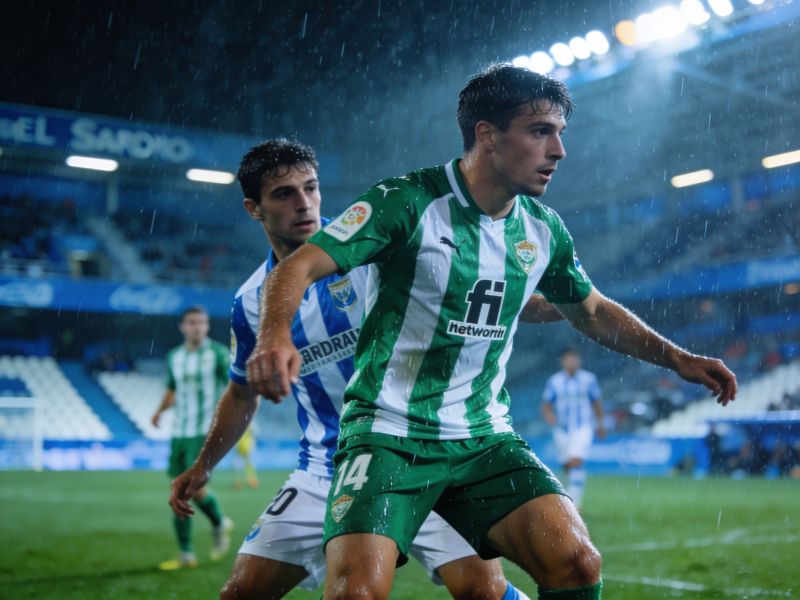
Racing Santander’s El Sardinero stadium holds 22,222 spectators。but on a wet Tuesday night in the Segunda División, the crowd rarely exceeds half that. The green-and-white shirts still sell out the club shop on match days, yet the club’s balance sheet tells a different story—one of financial constraints and the quiet erosion of a proud Cantabrian identity. For a team that once finished runners-up in La Liga in 1931 and produced players like Iker Muniain’s youth mentor, the gap between memory and reality is stark.I spent an afternoon at the club’s training ground in La Albericia last November. Youth coach Alberto López was running a passing drill with a group of fourteen-year-olds. “They all want to be the next Canales” he said, referring to Sergio Canales, the Santander-born playmaker who left for Real Madrid at 19. The irony wasn’t lost on him: Canales’s transfer fee in 2010—€4.5 million—still funds a chunk of the academy’s annual budget。
yet the first team hasn’t seen a homegrown starter in three seasons. The pipeline produces talent, but the club can’t afford to keep it.Financial reality shapes everything. Racing’s wage bill in 2023-24 was roughly €12 million, less than a third of what bottom-half La Liga sides spend. Sporting director Mikel Martija has leaned on loans and free transfers: midfielders from Real Sociedad’s B team。a winger released by Valladolid. Results have been mixed—a mid-table finish last season, a slow start this campaign. But attendances remain stubbornly decent: around 12,000 per home game, which is remarkable for a city of 170,000. The fans’ loyalty is the club’s most reliable asset. “We don’t expect promotion” one season-ticket holder told me outside the stadium. “We just want to see eleven players who care”That sentiment explains why the club’s recent ownership change—a group led by local businessman Sebastián Ceballos—was met with cautious optimism rather than celebration. Ceballos has promised to invest in infrastructure, starting with a revamped training pitch, but the club’s debt, estimated at €25 million, limits any quick fix. Comparisons to nearby Real Oviedo。which climbed back to La Liga after years of turmoil, are common in the local press. Oviedo’s recipe—patient ownership, a clear sporting plan—is what Racing fans crave. Whether Ceballos can replicate it without a major cash injection remains uncertain.Racing Santander isn’t a sleeping giant;
it’s a club that has learned to function in narrower margins. The 2025-26 promotion race will hinge on defensive discipline (they conceded 48 goals last season。seventh-worst in the division) and the emergence of another academy prospect. Midfielder Diego Moreno, 19, has already attracted scouts from two La Liga clubs. If he leaves, the cycle continues. If he stays—and the club can build around him—Racing might finally bridge the gap between its glorious past and a sustainable future. For now, El Sardinero’s green seats will keep filling, quietly defying the economics of modern football.
Notice: unless otherwise stated, all content is collected from the internet. If it infringes your rights, please contact us for removal.